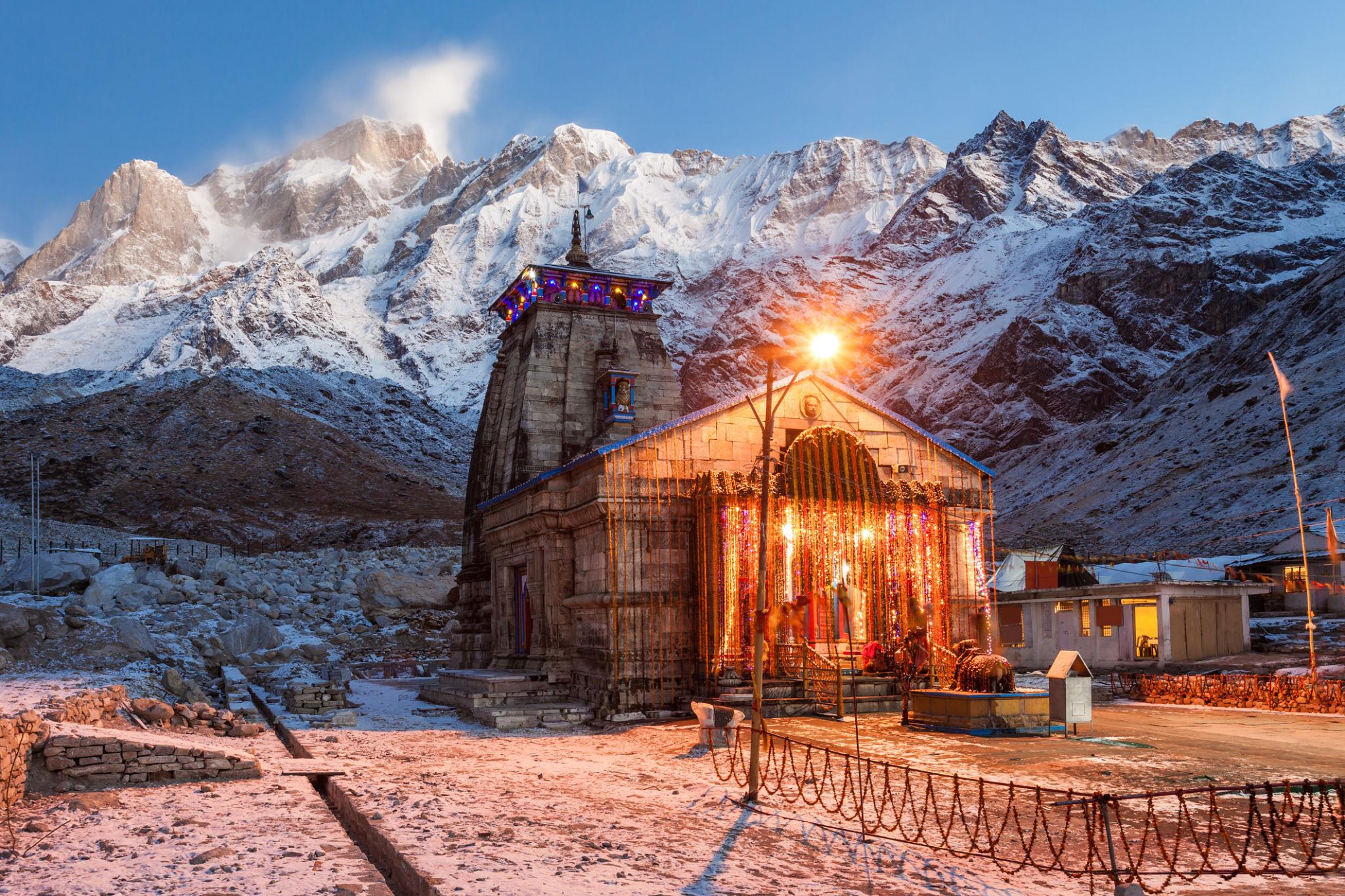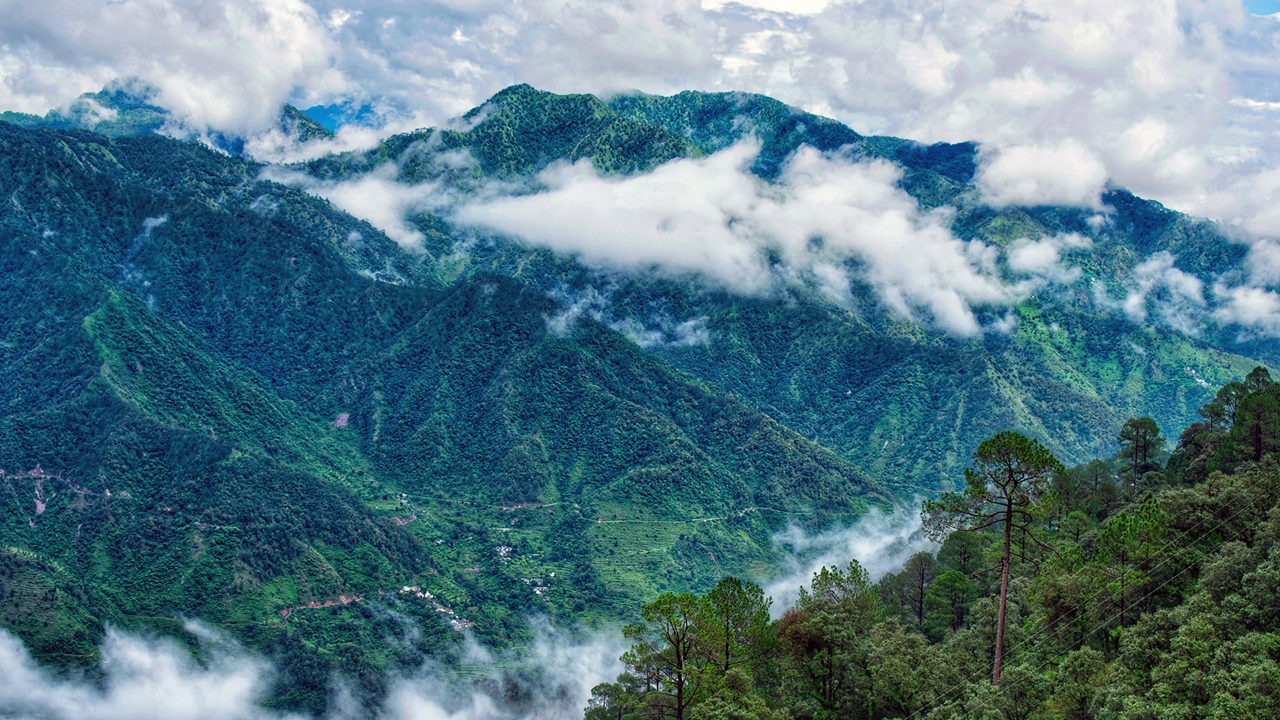

Badrinath Dham, located in the Chamoli district of Uttarakhand, is one of the most revered Hindu pilgrimage destinations. Dedicated to Lord Vishnu in his dual form of Badri Narayan, this sacred shrine is part of the revered Char Dham Yatra. Situated at an altitude of 3,133 meters in the Garhwal Himalayas, Badrinath attracts thousands of devotees each year, especially during the pilgrimage season from May to November. The temple is not only a spiritual destination but also a hub of breathtaking natural beauty, surrounded by snow-capped peaks, the Alaknanda River, and verdant valleys.
For those planning to visit all four dhams in one journey, the Char Dham Yatra Packages provide a clear view of different travel options.
Introduction to Badrinath Dham
Badrinath Dham is an iconic temple dedicated to Lord Vishnu, worshipped as Badri Narayan. The temple holds immense religious significance in Hinduism as a site where devotees seek blessings for spiritual growth, prosperity, and salvation. Located on the banks of the Alaknanda River, Badrinath is enveloped by the majestic Neelkanth and Nar Parvat mountains, creating a divine Himalayan backdrop.

This pilgrimage is considered a journey of faith, perseverance, and devotion. Every year, thousands of devotees from across India and abroad undertake the Badrinath Yatra to experience the spiritual aura of this sacred shrine. Travel Ride provides guided packages ensuring a comfortable, safe, and well-planned pilgrimage experience for all travellers.
Badrinath is the final dham in the sacred Char Dham Yatra, and reading the Char Dham Yatra guide provides a complete view of the pilgrimage, connecting all four shrines from Yamunotri to Badrinath.
Badrinath Dham is deeply rooted in Hindu mythology and considered one of the most sacred abodes of Lord Vishnu. According to legends, Lord Vishnu meditated under the Badri tree, earning the name Badri Narayan. The Pandavas are also said to have performed penance here during their exile, adding to the spiritual aura of the region. As one of the 108 Divya Desams, the temple is believed to cleanse sins and bring spiritual fulfilment. Pilgrims visit not only to worship but also to experience the divine energy and blessings of this historic Himalayan shrine.
Badrinath Dham is steeped in ancient mythology and holds a prominent place in Hindu scriptures.
According to legend, Lord Vishnu meditated in this serene valley under the Badri tree, earning the name Badri Narayan. The temple represents his abode in the Himalayas, where he blesses devotees with eternal happiness and liberation.
Legends say that the Pandavas, during their exile, performed penance in the Badrinath region. The divine presence of Lord Vishnu is believed to have guided and protected them during their journey.
Badrinath is also considered one of the 108 Divya Desams, sacred abodes of Vishnu mentioned in Vaishnavite scriptures. Pilgrims believe that a visit to this holy shrine washes away sins and brings spiritual fulfilment.

The Badrinath Yatra is best undertaken between May and October, when the temple opens for pilgrims. Summer (May–June) offers clear skies, pleasant weather, and safe roads for trekking and sightseeing. Monsoon (July–August) can be risky due to heavy rainfall, landslides, and roadblocks. Post-monsoon or autumn (September–October) brings cool temperatures, clear skies, and fewer crowds, ideal for photography and spiritual immersion.
Winter (November–April) is extremely cold, with heavy snowfall, and the temple remains closed. Planning the visit during these optimal months ensures comfort, safety, and a memorable spiritual experience.
The temple opens in May (Akshaya Tritiya) and closes around Diwali (October/November). Understanding the best time to visit ensures a safe and comfortable pilgrimage.
Summer (May to June)
Pleasant weather
Clear skies and safe roads
Ideal for trekking and sightseeing
Monsoon (July to August)
Travel is risky due to landslides and heavy rainfall
Roads may be blocked; caution is advised
Post-Monsoon/Autumn (September to October)
Clear skies and cool temperatures
Less crowded
Perfect for photography and spiritual experiences
Winter (November to April)
Extremely cold; temple remains closed
Heavy snowfall makes the region inaccessible
Pilgrims often look at the Best Time to visit Char Dham Yatra to understand how the travel season aligns across all four dhams, including Badrinath.

Badrinath can be reached by road, rail, and air, with the final stretch through scenic Himalayan routes. The nearest airport is Jolly Grant Airport, Dehradun, while the closest railway stations are Rishikesh and Haridwar.
From these points, travellers can hire taxis, buses, or join guided tour operators like Travel Ride. The road journey passes through Devprayag, Rudraprayag, and Joshimath before reaching Badrinath. The routes are mostly well-maintained but include narrow, winding stretches that require cautious driving. Pilgrims are advised to plan transportation to ensure a smooth and safe journey.
Badrinath can be reached by road, rail, and air, with the final stretch involving mountain roads and scenic drives.
By Air
Nearest Airport: Jolly Grant Airport, Dehradun (320 km from Badrinath)
Taxis and private vehicles are available to reach the shrine.
By Train
Nearest Railway Stations: Rishikesh (298 km), Haridwar (310 km)
Well-connected by trains to major Indian cities
Pilgrims often hire cabs or join tour operators like Travel Ride from stations to reach Badrinath.
By Road
The route passes through Rishikesh → Devprayag → Rudraprayag → Joshimath → Badrinath
Roads are mostly well-maintained, but narrow and winding in some stretches
Bus, taxi, or private vehicle options are available
The journey from Badrinath connects devotees with the first dham at Yamunotri, and the Yamunotri guide explains the temple and its significance.
The journey to Badrinath is both scenic and challenging due to mountainous terrain. The main route starts from Rishikesh or Haridwar, passing through Devprayag, Rudraprayag, and Joshimath before reaching the temple. Roads are mostly paved and maintained by PWD, but steep climbs, sharp bends, and occasional landslide-prone zones require careful driving.
Monsoon and winter seasons make certain stretches riskier. Pilgrims are recommended to travel with experienced drivers or guided services, like those provided by Travel Ride, ensuring safety and a comfortable travel experience while enjoying breathtaking views of the Alaknanda valley.
The journey to Badrinath is scenic yet challenging due to the Himalayan terrain.
Key Route Details
Starts from Rishikesh or Haridwar
Passes through Devprayag (confluence of Alaknanda and Bhagirathi rivers)
Stops at Rudraprayag and Joshimath before reaching Badrinath
Road Conditions
Mostly asphalted and maintained by PWD
Steep climbs and sharp curves in some areas
Caution is necessary during the monsoon and winter
Travel with experienced drivers or guided services from Travel Ride is highly recommended

Pilgrims visiting Badrinath can choose from a range of accommodations in Joshimath, Badrinath, and nearby villages. Joshimath offers hotels, guesthouses, and ashrams suitable for families and senior citizens. Badrinath itself has GMVN guest houses, budget hotels, and dharamshalas with basic amenities and mountain views.
Small villages around the temple provide homestays for those seeking a closer-to-nature experience with warm local hospitality. Pre-booking accommodations is recommended during peak pilgrimage season. Operators like Travel Ride arrange reliable and comfortable lodging, ensuring a safe and hassle-free stay for pilgrims throughout the Yatra.
Pilgrims can find a range of lodging options near Badrinath Temple.
Joshimath
Hotels, guesthouses, and ashrams
Comfortable for families and senior citizens
Badrinath
GMVN guest houses, budget hotels, and dharamshalas near the temple
Basic amenities with mountain views
Nearby Villages
Small guesthouses and homestays offer a closer-to-nature experience
Warm hospitality from locals enhances the spiritual journey
Travel Ride often pre-books accommodations to ensure safe, comfortable, and hassle-free stays during the pilgrimage.
Pilgrims continuing to Gangotri often refer to the Gangotri guide to prepare for a comfortable visit to the next shrine.
Badrinath experiences cold weather throughout the year due to its high Himalayan altitude. Summer (May–June) offers pleasant daytime temperatures with clear skies, ideal for trekking and sightseeing. Monsoon (July–August) brings heavy rainfall, slippery roads, and potential landslides, making travel risky.
Autumn (September–October) has cool, crisp air with fewer crowds, perfect for photography and spiritual activities. Winter (November–April) sees sub-zero temperatures, heavy snowfall, and temple closure. Pilgrims should carry warm clothing, rain protection, and trekking shoes to ensure safety and comfort during the Yatra.
Badrinath’s weather is mostly cold due to its high altitude.
Summer (May–June)
Pleasant daytime temperatures
Clear skies for trekking and sightseeing
Monsoon (July–August)
Heavy rainfall and slippery roads
Landslides possible
Autumn (September–October)
Cool and crisp air
Ideal for trekking and photography
Winter (November–April)
Sub-zero temperatures
Temple remains closed; snow-covered terrain
Travellers must carry warm clothing, rain gear, and proper trekking shoes for safety.
To understand how the weather changes along the pilgrimage, the Kedarnath guide provides details about the climate and conditions at the next shrine.

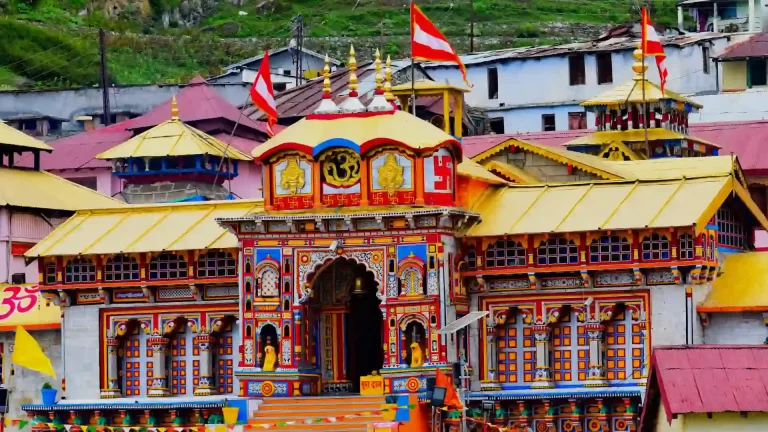
Badrinath Temple is built in traditional North-Indian Himalayan style, featuring vibrant yellow and red facades, stone structures, and intricate wooden carvings. Daily rituals include morning and evening aarti, offering prasad, and chanting bhajans. Pilgrims also perform rituals along the Alaknanda River, enhancing their spiritual connection.
The temple’s simple yet majestic design blends harmoniously with the surrounding snow-capped peaks, creating a peaceful and divine atmosphere. Visiting the temple offers devotees both religious fulfillment and an opportunity to witness centuries-old architectural traditions of the Garhwal Himalayas.
Architecture: Badrinath Temple is built in the North-Indian Himalayan style with a colorful facade, wooden carvings, and a majestic stone structure. Its vibrant yellow and red hues stand out against the snow-covered peaks.
Daily Rituals
Morning and evening aarti
Offering of prasad to the deity
Pilgrims also perform rituals along the Alaknanda River
Devotional chanting and bhajans enhance the spiritual experience
Several attractions near Badrinath enrich the pilgrimage experience. Tapt Kund, a hot water spring, is used by devotees for ritual baths and is believed to have healing powers. Mana Village, the last Indian village before Tibet, is famous for Vyas Gufa and traditional handicrafts.
Neelkanth Peak offers stunning mountain views and trekking opportunities. Vasudhara Falls, about 6 km from the temple, is a majestic waterfall surrounded by scenic landscapes, ideal for short treks. Visiting these nearby sites allows pilgrims to enjoy natural beauty, cultural heritage, and spiritual significance alongside the temple visit.
Tapt Kund
A hot water spring near the temple where pilgrims take a holy bath
Believed to have healing properties
Mana Village
Last Indian village before Tibet
Known for Vyas Gufa and traditional handicrafts
Neelkanth Peak
Stunning mountain views
Ideal for trekking and photography
Vasudhara Falls
Majestic waterfall about 6 km from Badrinath
Trekking experience with scenic surroundings

Badrinath offers several trekking opportunities for pilgrims and adventure enthusiasts. The Vasudhara Trek, approximately 6–7 km one-way, passes through waterfalls, alpine meadows, and panoramic Himalayan views. The Charan Paduka Trek is a short pilgrimage route to the sacred footprints of Lord Vishnu, suitable for families.
Longer treks to Kuber Kund and Satopanth Tal reward trekkers with stunning landscapes, serene lakes, and spiritual experiences. Proper gear, guidance, and acclimatisation are recommended. Pilgrims seeking a combination of adventure and devotion can explore these treks safely with services provided by experienced operators like Travel Ride.
Vasudhara Trek
Moderate trek with waterfalls and lush meadows
Approx. 6–7 km one-way
Charan Paduka Trek
Short pilgrimage trek to the sacred footprints of Lord Vishnu
Suitable for families
Kuber Kund and Satopanth Tal
Longer trekking options
Rewarding scenic and spiritual experience
Pilgrims are required to complete mandatory registration through the official Uttarakhand Tourism portal or at authorised counters. The registration process includes providing personal details, ID proof, and travel dates. Upon successful registration, pilgrims receive a Yatra permit or QR-based pass, which must be carried during the journey.

This system ensures crowd management, safety, and timely assistance in emergencies. Pre-registration is recommended to avoid delays during the pilgrimage. Tour operators like Travel Ride assist pilgrims in completing the registration process and provide guidance on checkpoints and verification procedures, making the Badrinath Yatra smooth and stress-free.
After experiencing the divine aura at Badrinath, pilgrims planning to visit all four dhams can rely on the Four Dham Yatra tour packages for well-organised itineraries and travel arrangements that cover the entire pilgrimage.
| Badrinath Yatra Package | Price (Per Person) | Duration | Detail |
Showing 1 of 0 pages
You can anytime request for a pocket friendly and customized package as per your requirements.
No need to pay complete amount in one go, it can be paid in 3 installments of 30%, 30% and 40%.
Our travel support is available in your assistance at all times for a hassle free trip.
We are having the expertise of planning more 5000+ tours all around India.< /p>